
Creating a Downstairs WC from an Unused Utility Space – BS6 Redland Renovation Project
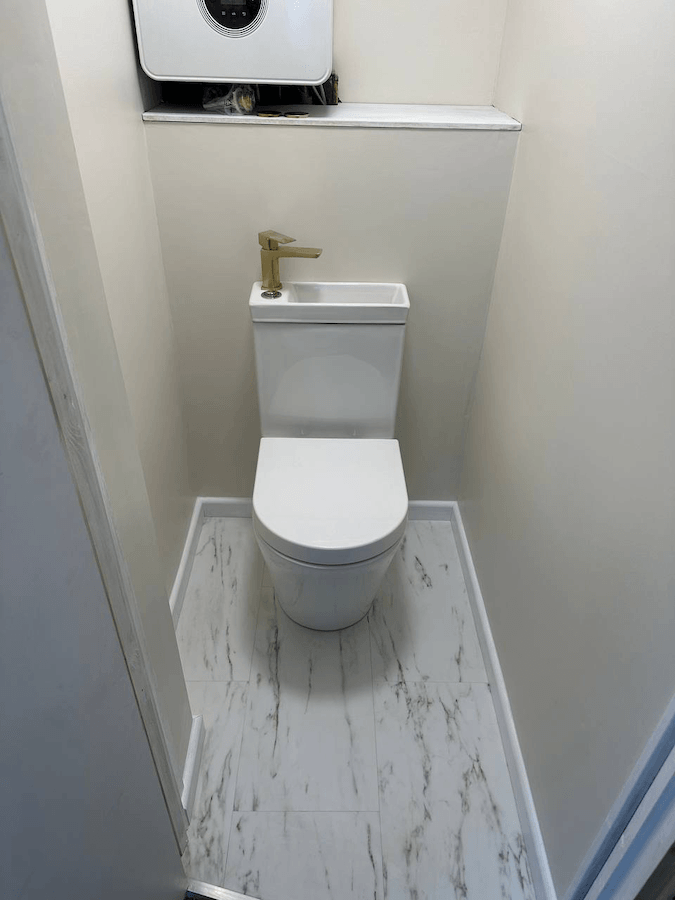
Utility room transformed into practical downstairs WC in Redland
Reworking an Underused Space in a Redland Home
A lot of the most successful home renovations in Bristol aren’t always the biggest or most dramatic projects. Sometimes the changes that make the biggest difference day to day are the ones that improve how a house actually functions.
That was exactly the case with this BS6 Redland toilet and boiler room conversion.
The customer had a small laundry and utility space that wasn’t being used particularly efficiently. Like many older Bristol homes, the room had gradually become more of a practical overflow area rather than a properly designed part of the house.
The aim of the renovation was to completely rethink the space and transform it into a functional downstairs WC that felt warm, practical and properly integrated into the home.
While the finished room looks clean and straightforward, the amount of groundwork, plumbing and planning involved behind the scenes was significant.
Adding a Downstairs Toilet to an Older Bristol Property
One of the most common requests we now receive during bathroom renovations in Bristol is adding an additional downstairs WC.
In areas like Redland and Cotham, many period homes were never originally designed with downstairs toilets, which means creating one often requires major plumbing and drainage work before installation can even begin.
In this project, the existing room was positioned at the front of the property, meaning there was no simple direct drainage route available for the new toilet connection.
Rather than taking shortcuts or compromising the installation, the drainage system needed to be designed properly from the beginning to ensure reliable long-term performance.
This is one of those parts of a renovation that people rarely see once the project is complete, but it’s absolutely critical to getting the installation right.
Extensive Groundworks & Drainage Installation
Creating the new toilet connection required extensive groundwork outside the property.
To connect the new soil pipe into the existing sewer system, we excavated a trench through part of the garden while carefully managing the surrounding area to minimise disruption.
Groundwork projects like this can become surprisingly involved, especially during bathroom and plumbing renovations in Bristol where older properties often have less accessible drainage layouts.
Several factors needed careful management throughout the works:
Retaining surrounding soil safely
Protecting nearby structures and pathways
Managing drainage gradients correctly
Working around weather conditions
Organising material storage within limited space
The drainage installation itself had to be carefully planned to ensure everything functioned properly long term while still keeping disruption to the property as controlled as possible.
A lot of this work becomes completely invisible once the project is finished, but it forms the foundation of a properly functioning bathroom or WC installation.
Working Within a Small & Confined Space
One of the other major challenges with this BS6 renovation project was the size and layout of the room itself.
The existing utility area was fairly compact, meaning every part of the layout needed to be carefully considered to make the finished WC feel practical rather than cramped.
Space planning becomes incredibly important in smaller rooms. Positioning sanitaryware correctly, allowing comfortable movement within the room and ensuring everything still feels balanced visually can often be more difficult in compact spaces than in larger bathrooms.
Because the room also housed laundry appliances originally, part of the project involved completely reorganising how the house functioned operationally as well.
The existing washing machine and utility setup were relocated to another part of the property and fully reinstalled as part of the renovation works.
This helped free up the room entirely so the new downstairs WC could feel like a dedicated, properly designed space rather than a compromise.
Underfloor Heating for a More Comfortable Space
Another important consideration was the temperature of the room itself.
Because the space sat at the front of the property and included two exterior-facing walls, it was naturally much colder than other parts of the house.
This is actually very common in older Bristol properties, particularly in Redland period homes where insulation and heat retention can vary significantly between rooms.
To make sure the new downstairs toilet felt comfortable throughout the year, we installed underfloor heating as part of the renovation.
Underfloor heating works particularly well in smaller bathroom and WC spaces because:
It distributes heat more evenly
Frees up wall space
Helps rooms feel warmer more quickly
Works well beneath tiled flooring
It also added a much more premium and comfortable feel to the finished room overall.
Small details like this often make a huge difference to how enjoyable a space feels to use long term.
Creating a Practical Everyday Space
One of the biggest successes of this downstairs toilet installation in BS6 Bristol was how much it improved the overall practicality of the house.
Additional downstairs toilets can completely change how a family home functions, especially in larger period properties where the main bathrooms are upstairs.
Instead of guests needing to use family bathrooms or constantly moving between floors, the house now has a much more practical layout day to day.
This kind of renovation is often less about aesthetics alone and more about improving how people actually live within the property.
That’s one of the reasons projects like this can have such a positive impact despite being relatively compact spaces.
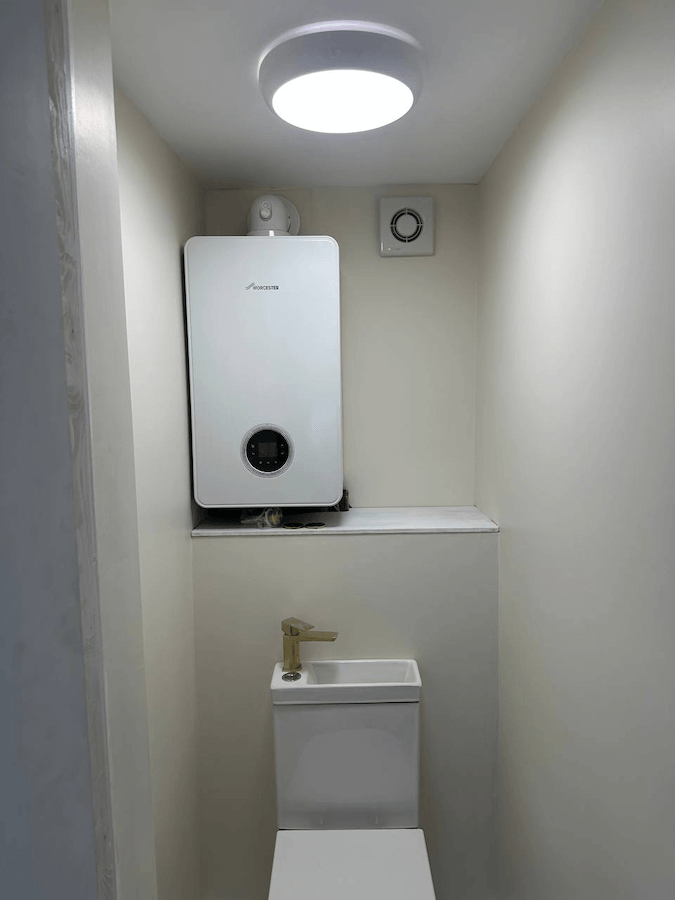
Finished downstairs WC installation completed in Redland BS6
Why Good Plumbing & Preparation Matter
Projects like this are a good reminder that successful bathroom renovations in Bristol are often built around the parts people don’t initially think about.
Drainage routes, groundwork, plumbing design and structural preparation all play a huge role in whether a renovation actually works properly long term.
Without the correct groundwork:
Toilets may not drain correctly
Pipework can become unreliable
Rooms can remain cold or uncomfortable
Installations may age poorly over time
Investing time into getting these elements right from the beginning always creates a much stronger finished result.
A Finished Space That Feels Completely Natural
By the end of the renovation, the transformation was substantial.
What had previously been an awkward and underused utility room became a warm, practical downstairs WC that now feels like a natural part of the property.
The finished renovation included:
Full drainage installation and sewer connection
Groundworks and trench excavation
Underfloor heating installation
Plumbing relocation works
Laundry appliance relocation
Full downstairs WC fit-out
Most importantly, the room now feels comfortable, functional and genuinely useful day to day.
The customer was absolutely delighted with the finished result and said the project had made a huge positive difference to how they use the house overall.
That’s often the sign of the best renovations - spaces that quietly improve everyday life without needing to feel overly dramatic.