
Bathroom Renovation in Ashton, Bristol BS3: A Modern Bathroom with Natural Minimalist Style
Sometimes, a bathroom doesn't need a completely different layout to feel like a completely different room. Often, it's the finishes, the condition of the walls and flooring, and the details we use every day that make the biggest difference.
That was the thinking behind this bathroom renovation in Ashton, Bristol BS3.
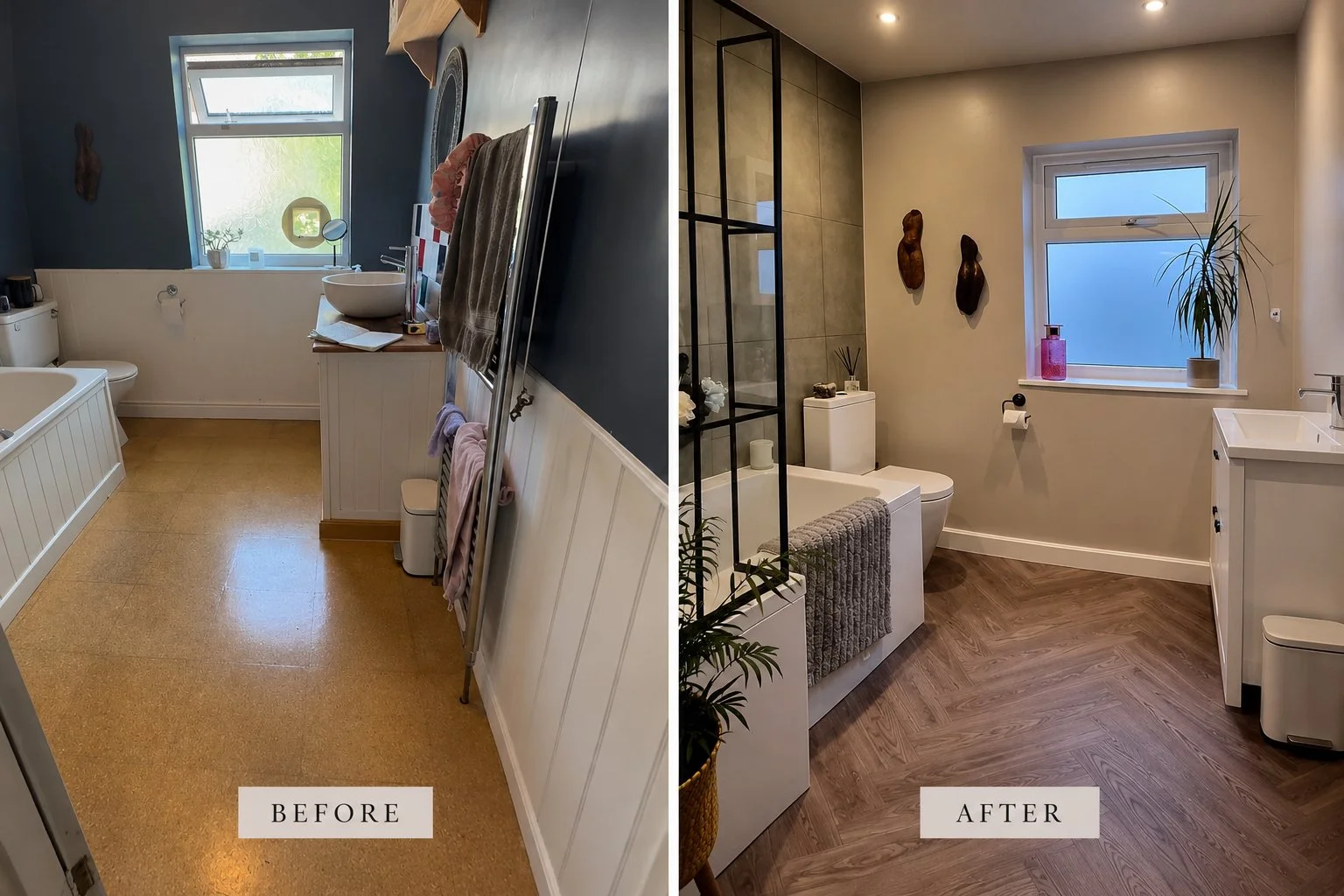
From dated to modern: this Ashton bathroom has been refreshed with new LVT flooring, re-plastered and re-tiled walls, and updated sanitary ware, while retaining the original layout.
The aim was to modernise the existing bathroom, give it a cleaner and more contemporary appearance, and create a space that felt fresh without making the design unnecessarily complicated.
The project focused on several important improvements. The flooring was updated with luxury vinyl tile (LVT), the walls were re-plastered and re-tiled, and the sanitary ware was replaced while remaining in the same general positions. The finishing touches followed a natural, minimalist direction, keeping the overall look understated rather than overly decorative.
At Bristol City Kitchens & Bathrooms, we understand that a successful bathroom refurbishment isn't simply about choosing new products. It's about bringing the individual elements together so the room looks right, works properly and feels comfortable to use every day.
For this Ashton home, the result is a modernised bathroom that demonstrates how much can be achieved by making considered changes to an existing space.
Modernising the Bathroom Without Changing the Layout
When planning a bathroom renovation, one of the first decisions is whether to change the layout or work with the arrangement that's already there.
Moving a toilet, basin or bath can sometimes be worthwhile, particularly if the existing room feels awkward or doesn't meet the household's needs. However, changing the layout isn't always necessary to achieve a noticeable transformation.
For this bathroom in Ashton, the decision was to keep the sanitary ware in its existing positions while updating the fittings and finishes around it.
This approach allows the renovation to concentrate on the overall appearance and quality of the room without introducing unnecessary layout changes. Keeping the main fittings in place can also reduce the amount of plumbing alteration required, although the final scope will always depend on the condition of the existing installation.
The important thing is to make the space work for the people using it. If the current arrangement is practical, there is a good reason to consider improving it rather than changing it simply for the sake of doing something different.
By retaining the established layout and refreshing the main surfaces, this bathroom could take on a much more contemporary identity while remaining familiar and functional.
A Fresh Start for an Everyday Room
Bathrooms work hard. They are exposed to moisture, temperature changes and regular cleaning, and their surfaces can gradually lose their appeal over time.
Outdated flooring, tired wall finishes and older fittings can make a room feel less inviting, even when the layout itself is perfectly adequate.
A well-planned bathroom refurbishment addresses these details together. Rather than updating one feature and leaving the rest looking dated, it creates a consistent finish throughout the room.
That was the principle behind this Ashton bathroom renovation: refresh the elements that make the greatest visual difference and create a balanced result that will continue to feel comfortable and relevant for years to come.
LVT Flooring: A Practical Foundation for the New Bathroom
Flooring plays a surprisingly important role in bathroom design. It covers a large part of the room, influences the overall colour scheme and needs to stand up to the demands of everyday use.
For this project, luxury vinyl tile flooring was selected to give the bathroom a fresh, modern foundation.
LVT is a popular option for homeowners looking to combine contemporary styling with practical maintenance. Depending on the product selected, it can recreate the appearance of natural materials such as stone or wood while providing a comfortable surface underfoot.
Its versatility makes it particularly suitable for modern minimalist interiors, where the flooring needs to complement the rest of the room without competing for attention.
Why Choose LVT for a Bathroom?
There are several reasons why homeowners consider LVT when planning a bathroom renovation in Bristol.
A choice of natural-looking finishes. LVT is available in a wide range of colours, textures and designs. Subtle stone effects, warm neutral shades and understated wood-inspired finishes can all work well in a natural bathroom scheme.
Straightforward day-to-day maintenance. Many LVT products are easy to clean, making them a practical consideration for a busy household. Following the manufacturer's cleaning and maintenance instructions helps preserve the finish.
A contemporary appearance. The right flooring can make an older bathroom feel noticeably more current, especially when paired with freshly finished walls and updated sanitary ware.
Comfort underfoot. Compared with some harder flooring materials, LVT can offer a slightly softer feel, depending on the product and installation system.
Of course, not every LVT product is suitable for every bathroom. Product specifications, subfloor preparation, installation methods and water-resistance requirements all need to be considered carefully.
The subfloor is particularly important. It needs to be suitable, stable and sufficiently level for the chosen flooring system. Correct installation also matters around edges and other areas where moisture could become an issue.
For this Ashton project, the new LVT flooring forms an important part of the refreshed design, helping create a clean and consistent look from the floor upwards.
Re-Plastering the Walls for a Better Finish
One of the less glamorous parts of a bathroom renovation is also one of the most important: preparing the walls properly.
It's easy to focus on the finished tiles, colours and fittings when looking at bathroom inspiration. However, the quality of the finished room depends heavily on the surfaces beneath those materials.
As part of this bathroom refurbishment in Ashton, the walls were re-plastered before the new tiled finish was completed.
Re-plastering helps create a suitable, even surface where the existing walls require it. It can improve the overall appearance of the room and provide a better starting point for subsequent finishing work, provided the substrate and chosen materials are appropriate for the installation.
Why Wall Preparation Matters
Old bathrooms can have a mixture of surfaces left behind by previous renovations. There may be damaged plaster, uneven areas, old adhesive or sections that need additional preparation before new tiles can be installed.
Simply covering these problems with new finishes isn't always the best solution.
A proper assessment helps establish what needs to be removed, repaired or replaced. It also helps identify areas where the wall construction needs a different approach, particularly in spaces exposed to direct water.
Plaster is not a substitute for an appropriate waterproofing system in a shower or other wet area. The correct substrate, preparation and waterproofing measures should be selected for the location and the tiling system being used.
Getting these details right gives the finished bathroom a much better foundation.
For the Ashton renovation, re-plastering formed part of the wider process of bringing the room up to a cleaner, more modern standard. It's a reminder that the best transformations often begin with work that becomes almost invisible once everything is finished.
Fresh Wall Tiling to Complete the Transformation
With the walls prepared, the next stage was to refresh the tiled surfaces.
Bathroom wall tiles are one of the defining features of a bathroom. They influence how light moves around the room, how the other materials look together and how easy the finished space is to keep clean.
New tiling can make an older bathroom feel much more considered, particularly when the design follows a clear direction rather than introducing too many competing patterns and finishes.
For this Ashton bathroom, the intention was to support the natural minimalist style of the finished room.
Keeping the Design Simple and Timeless
Minimalist bathroom design doesn't have to mean an empty or characterless space. In fact, it often works best when the individual materials are chosen with care.
A restrained palette, clean tile lines and a consistent finish can help a bathroom feel calmer and more spacious. The effect comes from the relationship between the elements, rather than from adding lots of decorative features.
When selecting tiles, it is worth considering their size, surface finish, colour and how they will sit alongside the flooring and sanitary ware.
Larger tiles can reduce the number of grout lines and create a more continuous appearance, although the suitability of any tile depends on the dimensions of the room and the surface being covered. Smaller formats can also work beautifully when the layout and detailing are planned carefully.
Grout colour deserves attention, too. A closely matched grout can create a softer, more seamless appearance, while a contrasting grout makes the tile pattern more prominent.
Good setting out is just as important as the material itself. Neat cuts, consistent joints and carefully finished edges all contribute to a professional result.
The new tiling in this bathroom forms part of a coordinated refurbishment, working alongside the re-plastered walls and updated flooring to give the room a more unified appearance.
For more guidance on choosing bathroom wall finishes, read our article on bathroom wall panelling vs tiles
Updated Sanitary Ware Without Moving the Existing Fittings
Replacing sanitary ware is another effective way to modernise a bathroom without completely redesigning it.
Toilets, basins, taps and other fittings are used every day, so their appearance and practicality have a direct influence on how the room feels.
For the Ashton renovation, the sanitary ware was updated while the fittings remained in their existing positions.
This helped preserve the original layout while giving the bathroom a fresh look. It also meant the design could focus on the quality and appearance of the new fittings rather than on rearranging the room.
Updating the Existing Bath and Shower
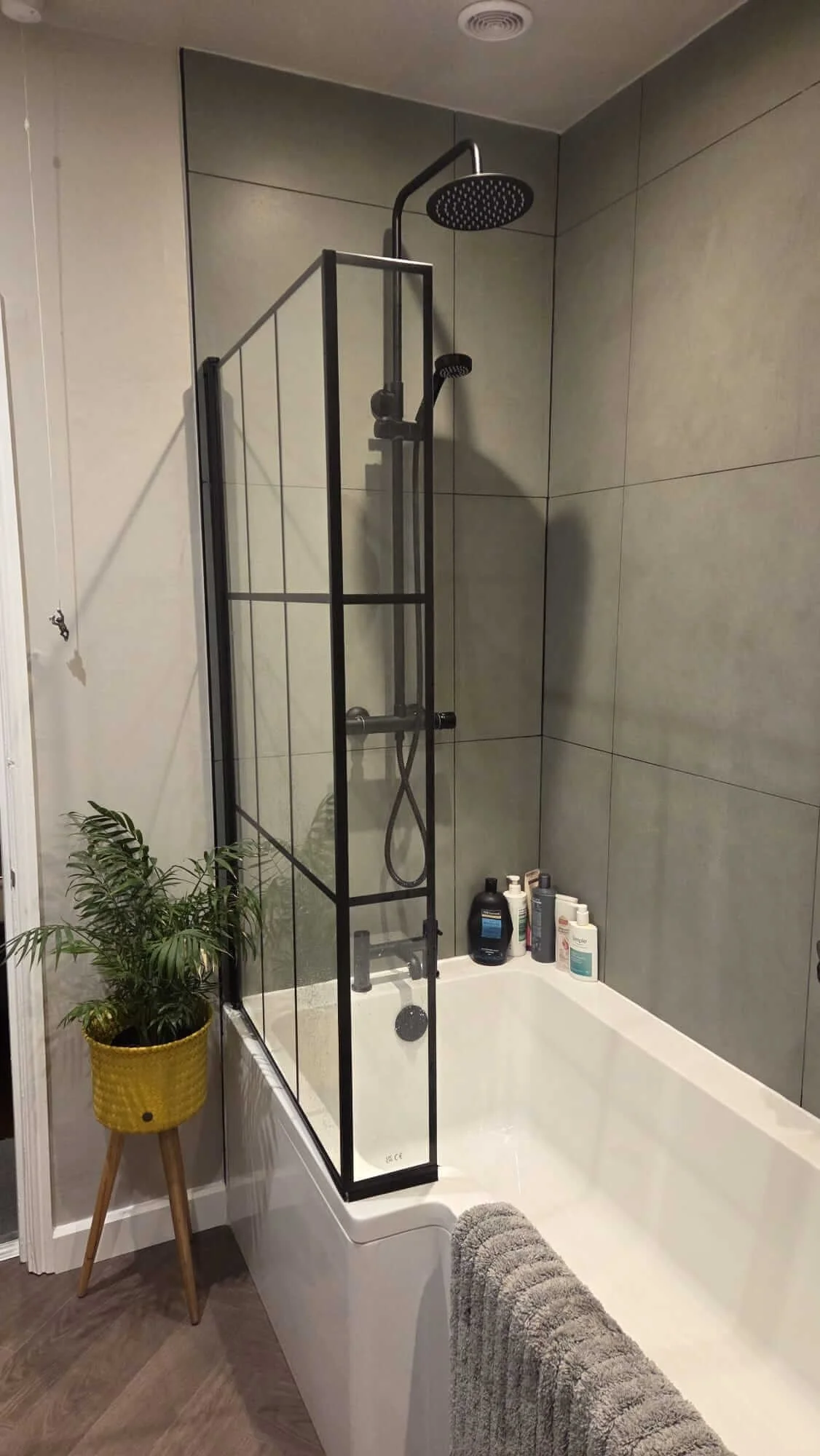
L-shaped bath and shower screen updated as part of a bathroom renovation in Ashton, Bristol BS3.
The existing bath and shower arrangement was retained as part of the bathroom renovation, with updates helping to bring the overall look in line with the room’s more modern, minimalist style. The L-shaped bath provides a practical bathing area while also offering space for showering, making it a versatile choice for everyday use.
The shower screen helps keep water contained during showering while maintaining a clean, open feel. Together with the refreshed tiling, updated sanitary ware and new LVT flooring, these improvements helped create a more cohesive finish throughout the bathroom.
By updating the existing arrangement rather than changing the bathroom layout, the renovation focused on improving the appearance and practicality of the space while keeping the main fittings in their original positions.
The Benefits of Keeping the Same Positions
Retaining the existing positions of the main bathroom fittings can be a sensible option when the layout already works well.
It may limit the need for extensive pipework alterations and help keep the project focused on the areas that need improvement most. However, any existing plumbing still needs to be checked, and replacements must be compatible with the available connections and installation requirements.
Choosing new sanitary ware is also an opportunity to think about proportions and practicality.
A basin should suit the available space. A toilet needs to work comfortably within its surroundings. Taps and other fittings should complement the overall design while remaining straightforward to use and maintain.
These choices don't necessarily need to be bold to make a difference.
Clean lines and understated shapes often suit a natural minimalist bathroom particularly well, creating a fresh finish without drawing attention away from the room as a whole.
The aim is to make the bathroom feel cohesive, with the new sanitary ware working naturally alongside the updated walls and LVT flooring.
Natural Minimalist Bathroom Design: Less Clutter, More Balance
The design direction for this bathroom was natural, modern and minimalist.
It's a style that continues to appeal to homeowners because it offers a simple way to make a bathroom feel calmer without sacrificing practicality.
Rather than relying on dramatic colours or decorative features, natural minimalist design focuses on balance. Materials, proportions, finishes and lighting all play a part in creating a space that feels comfortable and easy to live with.
Choosing a Calm, Cohesive Palette
Natural-inspired bathrooms often work well with soft neutrals, warm whites, muted greys and gentle stone tones. Depending on the materials selected, subtle wood-inspired details can also introduce warmth.
The key is to make sure the finishes complement one another.
When the flooring has a noticeable texture or pattern, simpler wall finishes can help keep the overall appearance balanced. Likewise, understated tiles can provide a quiet backdrop for carefully chosen fittings.
A consistent palette also helps avoid the feeling that the bathroom has been assembled from unrelated design choices.
For homeowners planning their own bathroom renovation in Ashton or elsewhere in BS3 / surrounding areas, it can be helpful to choose the main flooring and wall finishes early. These larger surfaces provide a starting point for selecting the remaining elements.
Making the Most of Light and Space
Natural minimalist styling can be particularly effective in bathrooms where space is limited.
Keeping the design uncluttered allows the eye to move around the room more easily. Well-considered lighting can also help the surfaces and finishes feel more inviting.
Mirrors, where suitable, can reflect available light and create a greater sense of openness. Good general lighting is important for everyday tasks, while appropriate task lighting around the basin can improve usability.
Ventilation matters just as much as appearance. Bathrooms need suitable ventilation to help manage moisture and reduce condensation, protecting the room's finishes over time.
The most successful minimalist bathrooms bring these practical details together with the visual design. They don't simply look tidy in photographs; they are comfortable, functional spaces that work well every day.
Bringing Every Element Together
The success of this bathroom renovation comes from treating the room as a complete space rather than a collection of separate jobs.
The new LVT flooring provides a contemporary base. The re-plastered walls create a cleaner starting point for the new tiling. Updated sanitary ware gives the room a fresher appearance, while keeping the existing positions preserves the established layout.
Each improvement supports the others.
This is often where a thoughtful refurbishment makes the greatest difference. New flooring on its own might improve one part of the room, but combining it with refreshed wall finishes and updated fittings creates a much more consistent result.
The minimalist styling brings the individual elements together without making the room feel overdesigned.
It is a straightforward design principle, but an effective one: choose finishes that work together, make sure the preparation is right and pay attention to the details that will matter long after the renovation is complete.
To see more examples of our work, explore our Bristol kitchen and bathroom renovation projects
Planning a Bathroom Renovation in Ashton, Bristol BS3
Every bathroom comes with its own requirements. The right approach depends on the condition of the existing room, the size and layout of the space, the homeowner's preferences and the available budget.
Some projects benefit from a complete redesign. Others, like this Ashton renovation, can achieve a significant improvement by retaining the existing layout and focusing on the finishes and fittings.
Before starting a bathroom refurbishment, it is worth thinking about a few practical questions:
Does the current layout work for everyone using the bathroom?
Which surfaces need replacing, repairing or preparing?
What flooring is suitable for the room and its subfloor?
Which wall finishes will complement the sanitary ware?
Is the ventilation adequate for the space?
What level of work is required to achieve the desired finish?
Answering these questions early can help make decisions clearer and ensure the scope of the project reflects what the room actually needs.
At Bristol City Kitchens & Bathrooms, our bathroom renovation service covers the practical work involved in transforming a bathroom, from preparation and plastering through to tiling, flooring and installation. We work with homeowners across Bristol and surrounding areas to create bathrooms that balance design, usability and quality workmanship.
If you're considering a bathroom renovation in Ashton, BS3 or surrounding areas, a discussion about your existing space is a good place to begin.
A Modern Bathroom Designed for Everyday Living
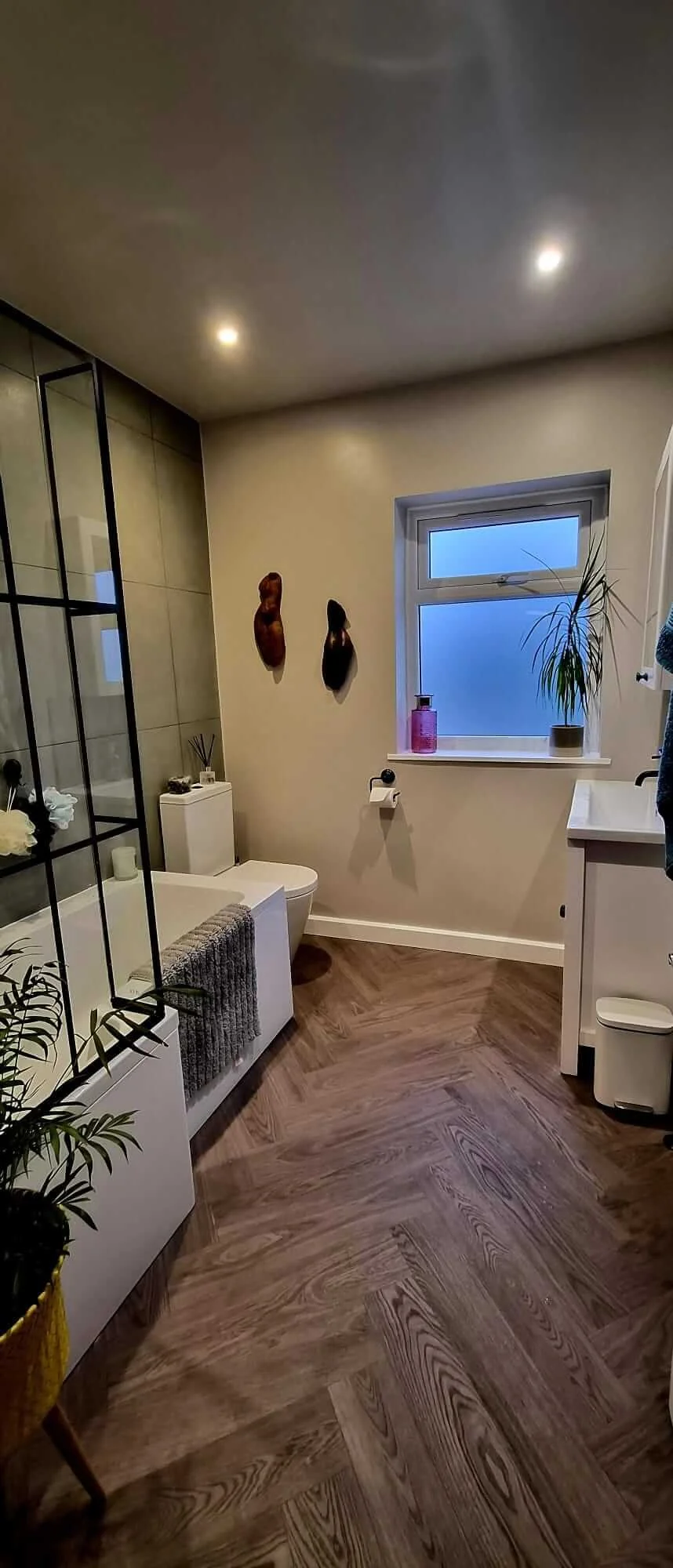
The finished bathroom combines updated fittings, fresh tiling and practical LVT flooring to create a modern, minimalist space designed for everyday living.
This bathroom renovation in Ashton, Bristol, is a good example of how a considered update can make a familiar space feel fresh again.
The LVT flooring, re-plastered walls, new tiling and updated sanitary ware have brought the bathroom up to a more contemporary standard, while keeping the main fittings in their original positions has allowed the existing layout to remain.
The natural minimalist styling gives the finished room a clean, balanced feel without relying on unnecessary decoration.
Ultimately, a successful bathroom should do more than look good when the work is finished. It should be practical to use, straightforward to maintain and designed around the needs of the household.
That is what makes careful planning and good preparation so worthwhile.
If you're looking for bathroom fitters in Bristol or planning a bathroom refurbishment elsewhere in Bristol BS3 and surrounding areas, Bristol City Kitchens & Bathrooms can help you explore the options for your home.
Thinking about updating your bathroom? Visit Bristol City Kitchens & Bathrooms to learn more about our bathroom renovation services and get in touch to discuss your project.